



Why Greeks Are the Happiest Retirees in Europe: The Country That Actually Understands Community.
Why Greeks Are the Happiest Retirees in Europe: The Country That Actually Understands Community.
Last summer, I watched something that broke my heart and restored my faith in humanity simultaneously. An 85-year-old Greek man named Yannis sat in his village square, surrounded by three generations of his family, sharing stories over endless cups of coffee. His great-grandson was climbing on his lap while his daughter brought him fresh pastitsio.
Here's what struck me:
Yannis wasn't in a nursing home. He wasn't isolated in a retirement village with people his own age. He was exactly where he belonged—at the center of his community's daily life.
This scene captures something profound that Greece offers but most developed countries have lost: the understanding that aging should bring you closer to community, not separate you from it.
The World's Best-Kept Retirement Secret
Greece ranks 14th globally for retirement quality according to international living indices, but the statistics don't tell the real story.
What makes Greece extraordinary isn't just the Mediterranean climate, affordable cost of living, and breathtaking landscapes—it's a social infrastructure designed around human connection rather than efficient isolation.
Greeks are known for their hospitality, or philoxenia, which means "love of strangers". But this extends far beyond tourism. It's a cultural framework that makes building genuine relationships not just possible, but inevitable.
The €2,000 Lifestyle That Money Can't Buy Elsewhere
The numbers tell part of the story: most retiree couples can comfortably live on €2,000 a month, excluding rent. The average cost of living is over 26% lower than the US, and you can live comfortably for under $3,000 a month, including rent, food, and healthcare.
But here's what the cost-of-living calculators miss: in Greece, your social life doesn't cost extra. The evening volta (leisurely walk) through town squares is free. The conversations with shopkeepers who remember your name are included.
The invitations to family celebrations from neighbors you've known for six months come naturally.
In contrast, American retirement communities charge thousands monthly for "social activities" that pale in comparison to the organic community life that Greece offers as standard.
Healthcare That Actually Cares
The WHO ranks Greece's healthcare system 14th globally for quality of care, combining high-quality services at a fraction of the cost compared to the United States and other European countries. Many medical professionals speak fluent English, making it easier for expats to navigate the system.
But the real healthcare advantage isn't just medical—it's social. Greek doctors still make house calls. Pharmacists know your health history and check on elderly customers. The neighborhood knows if you haven't been seen for a few days.
This social safety net prevents the health crises that often stem from isolation rather than medical conditions. When community members naturally monitor each other's wellbeing, small problems get addressed before becoming emergencies.
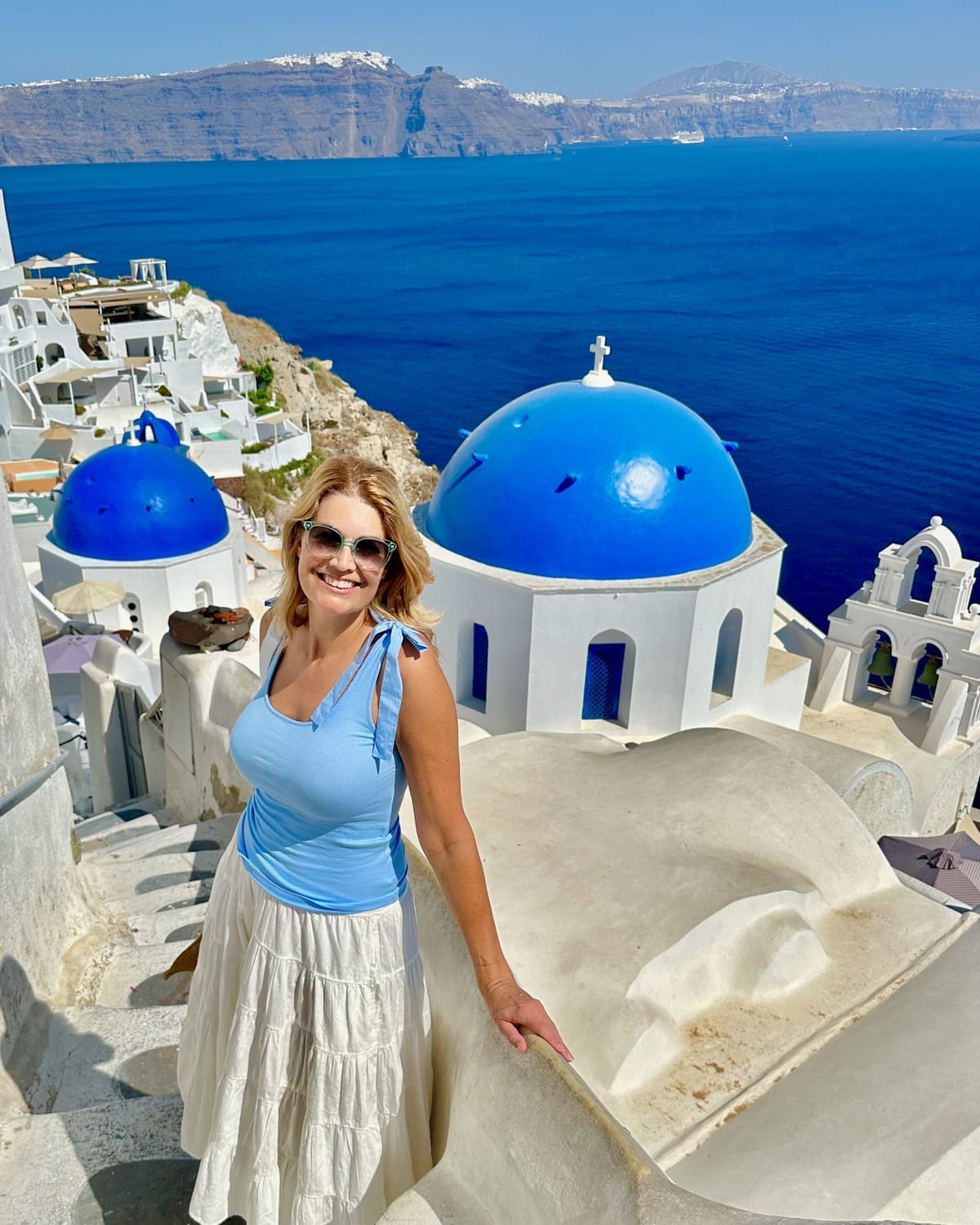
The Island vs. Mainland Decision
Greece offers remarkable variety for different lifestyle preferences:
Island Living: 227 of Greece's 6,000 islands are inhabited, offering everything from Crete's charming Venetian harbor and relaxed pace to Rhodes with its medieval old town and 300+ sunny days per year.
Urban Sophistication: Athens offers world-class healthcare facilities and a rich cultural scene featuring iconic landmarks like the Acropolis, while Thessaloniki provides a more relaxed lifestyle with a dynamic cultural scene.
Each location maintains the core Greek advantage: community integration isn't something you have to work at—it's how society naturally functions.
The Legal Pathway: More Accessible Than You Think
Greece offers several routes for establishing residency:
The Retirement Visa (FIP): Requires at least €2,000 in passive monthly income with no investment necessary. It's ideal for non-EU citizens who can demonstrate passive income such as pensions, rental income, or investment dividends.
The Golden Visa Program: Despite recent changes increasing thresholds, investors can still qualify with €250,000 investment if they restore listed buildings or convert commercial properties into residential use. In high-demand areas like Athens and Santorini, the minimum is now €800,000, while other regions remain at €400,000.
The Citizenship Path: After seven years of continuous residence with at least 183 days annually in Greece, Golden Visa holders can apply for citizenship. Fluency in Greek and knowledge of Greek history, politics, and cultural life are required.
Tax Benefits That Make Financial Sense
Greece offers attractive tax advantages for retirees: There is a flat tax rate of 7% on all retirement income for expat retirees. Foreign-sourced pensions for non-domiciled residents are taxed at only 7%.
For higher-net-worth individuals, third-country nationals who invest €500,000 in Greece may pay a lump sum taxation of €100,000 per year without declaring any foreign assets or income, though this regime only makes sense for those making an income far around €1 million or above.
The Climate Factor: Year-Round Outdoor Living
Greece offers 250+ days of sunshine each year, enabling a lifestyle that's naturally healthier than what's possible in harsher climates. Epic Mediterranean weather is a constant highlight: cooling ocean breezes in summer, bright mild days in winter, and close-to-perfect climate in spring and autumn.
This isn't just about comfort—it's about community. When weather permits year-round outdoor socializing, people naturally spend more time together. Coffee culture thrives. Evening walks are normal. Isolation becomes almost impossible.
The Challenges: Bureaucracy and Economic Reality
Greece isn't perfect. Bureaucracy and economic instability can be a challenge, and you may encounter bureaucratic processes, language barriers, and cultural adjustments.
The Greek approach to paperwork will test your patience. Banking can be frustratingly slow. Internet speeds in remote areas lag behind Northern European standards.
But here's the perspective shift: these "inefficiencies" often force the social interactions that create community. The bank visit becomes a conversation with the teller about your family. The municipal office delay leads to coffee with other expats navigating similar processes.

Building Your Greek Life: A Realistic Timeline
Months 1-3: Establish legal residency, open bank accounts, find temporary housing. Months 4-12: Learn basic Greek phrases, identify your preferred permanent location, build initial social connections. Year 2-3: Deepen community relationships, understand local customs, potentially purchase property. Years 4-7: Full integration into local community, consider citizenship application if desired.
The key insight: don't rush the relationship-building process.
Greeks value consistency and genuine interest in their culture over quick friendship attempts.
The Social Infrastructure Advantage
What sets Greece apart isn't just affordability or weather—it's a society designed around human connection. Greeks adopt a laid-back approach to life, prioritizing enjoyment and quality of life over hustle and bustle.
This creates a retirement environment where:
Your neighbors know your name and daily routines
Local shopkeepers ask about your health and family
Community celebrations include everyone, regardless of how long you've lived there
Multi-generational relationships form naturally rather than being artificially programmed
The Bottom Line: Connection vs. Comfort
Many retirement destinations offer luxury amenities, perfect weather, or tax advantages. Greece offers something different: the chance to age within a community that values your presence rather than just tolerating it.
Yes, you'll deal with bureaucracy. Yes, you'll need patience for different cultural rhythms. Yes, learning some Greek will significantly improve your experience.
But you'll also discover what it means to retire somewhere that considers your wellbeing a community responsibility, not just a personal challenge.
The question isn't whether Greece offers the most efficient or luxurious retirement experience. The question is whether you want to spend your later years as part of a community or simply living near other retirees.
In Greece, aging doesn't mean isolation—it means finally having the time to build the relationships that make life meaningful.
Curious about how Greek community living could work for your specific situation? Our International Lifestyle Design consultation explores not just the practical aspects of relocating to Greece, but how to integrate into local communities and build the relationships that make international retirement fulfilling rather than lonely.
Latest News
Who We are?
We give Strategic guidance for globally minded individuals ready to optimize taxes, gain mobility, and design a borderless life.
Created with ©systeme.io